
Unlocking Head Injury Compensation: Why Specialized Evaluation is Non-Negotiable
“The biggest misconception is what types of evaluations are necessary to complete the evaluation process.” – Robert E. Wood
When it comes to head injury compensation, most people drastically underestimate the intricacy of a proper evaluation. According to Robert E. Wood of The Law Office of Robert E. Wood, the path to rightful compensation starts with understanding that standard medical reviews are simply not sufficient for most head injury claims. While general practitioners might focus on visible symptoms, the real complexity lies beneath the surface—often missed without a multidimensional approach. Too many claimants, safety officers, and even some legal professionals assume that any injury to the head will automatically be properly diagnosed. However, as Robert emphasizes, “the biggest misconception is what types of evaluations are necessary,” meaning the hidden traps are rarely obvious to those unfamiliar with this field.
This misunderstanding is consequential. The difference between a life-altering payout and a denied claim often hinges on whether advanced neuroimaging and specialized neurological testing were pursued from day one. Head injury compensation requires scrutiny from experts who understand how to interpret subtle anomalies. For union representatives and HR professionals, the implications are stark: failing to ensure a worker undergoes comprehensive evaluation exposes both the claimant and the organization to severe legal and financial risks. Only with the right evaluations in place can the true scope and severity of injury be understood, ultimately dictating both care and compensation outcomes.
The Hidden Complexity of Diagnosing Head Injuries
“The markers necessary to determine the nature and extent of head injury can be hidden without special testing being completed.” – Robert E. Wood

According to Robert E. Wood, the true challenge with head injury compensation cases is that the physical evidence of trauma is often masked. An initial CT scan might come back normal, and yet the injured worker still experiences persistent headaches, memory lapses, or cognitive changes. These subtle signs are “hidden without special testing being completed,” as Robert notes—meaning only sophisticated imaging, such as advanced MRI protocols or neuropsychological assessments, can detect the telltale markers of injury. The hurdles in diagnosis aren’t just medical—they spill directly into the legal realm. Without these precise records, even the most clear-cut claim can be undermined by doubt.
This complexity means that for every worker injured on the job, for every union advocate trying to do what’s right, and for every claims adjuster evaluating legitimacy, relying on standard medical paperwork is a recipe for error. Legal implications of incomplete diagnosis can include prolonged delays, challenges to causation, and ultimately, denied benefits. Robert E. Wood’s background—two decades fighting for Northern California’s injured workers—proves that only those lawyers who insist on specialized testing from the outset can consistently secure positive results. For organizations and advocates, the lesson is clear: prioritize high-level diagnostic rigor, or risk falling short of what injured workers truly deserve.
For a deeper dive into the tactical steps a California workers compensation lawyer takes to navigate these diagnostic and legal complexities, you may find it helpful to review the detailed strategies outlined in how a California workers compensation lawyer strategically handles complex head injury claims. This resource breaks down the process from initial evaluation to final claim resolution, offering practical insights for both claimants and advocates.
- Common diagnostic challenges for head injuries
- Importance of advanced imaging and neurological testing
- Legal implications of incomplete diagnosis in workers’ compensation claims
Real Case Insight: Differentiating Head Injury from Stroke in Compensation Claims

“One client’s MRI showed potential pathology for both stroke and head injury; specialized testing confirmed the head injury was the real cause.” – Robert E. Wood
Robert E. Wood illustrates just how pivotal nuanced medical investigation can be by sharing a recent case: a client presenting with an MRI that suggested pathology equally compatible with a stroke or a traumatic head injury. For many less-experienced attorneys or medical professionals, such ambiguity could derail a claim. However, after additional targeted testing, the results made it clear—the injury stemmed from head trauma, not a stroke. This distinction wasn’t a matter of semantics; it determined not only medical care but also the legal foundation for the entire head injury compensation claim. In Robert’s words: “specialized testing confirmed the head injury was the real cause. ”
These real-world crossroads matter deeply for claimants navigating California’s complex compensation system. Often, the medical record is the battleground, and only the most precise documentation will stand up to scrutiny under legal challenge. For human resources managers and safety officers, this underscores the value of insisting on follow-up examinations and expert second opinions—even when initial diagnoses seem clear-cut. The perspective from The Law Office of Robert E. Wood is that every ambiguous case deserves relentless pursuit of the underlying medical truth to safeguard both immediate care and long-term compensation for the worker.
How Precise Testing Shapes Legal Outcomes
- Initial diagnosis ambiguity in serious head injuries
- Role of targeted testing in clarifying injury origin
- Impact on claim approval and disability determination
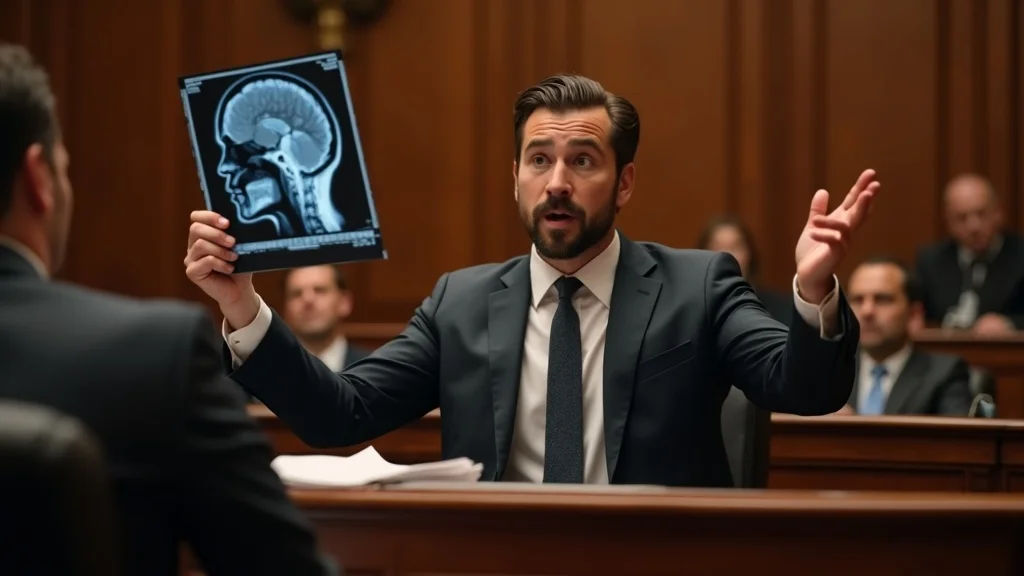
Step by step, as Robert E. Wood explains, the legal outcome of a head injury compensation case is determined by the depth of the medical inquiry. Initial diagnosis may cast doubt; targeted testing brings clarity. And without that clarity, the legal arguments for claim approval and disability determination fall apart. It’s not uncommon for insurance carriers to capitalize on diagnostic uncertainty—raising doubts about causation, or citing alternative explanations to justify denial. In Robert’s two decades of experience, the most successful claims are those grounded in the most complete, up-to-date, and nuanced assessments available.
This principle extends beyond the courtroom. Claims adjusters and advocacy groups must understand that robust medical documentation does not merely support a case—it builds its very foundation. For union representatives guiding their members or for safety officers reviewing workplace incidents, the gold standard is a process that leaves no diagnostic stone unturned. The Law Office of Robert E. Wood’s unwavering approach—to always push for maximal diagnostic clarity—has become the firm’s signature difference, resulting in consistently superior outcomes for California’s injured workers.
Essential Guidance: Selecting Experienced Legal Representation for Head Injury Compensation
“It is important to speak with a practitioner who has specific experience and case examples, because head injury claims are not common to most lawyers.” – Robert E. Wood
When navigating the maze of head injury compensation in California, who you choose as your legal representative is the single most critical decision you can make. According to Robert E. Wood, the reality is stark: “head injury claims are not common to most lawyers. ” Too often, injured workers choose legal counsel based on general reputation rather than subject matter expertise. The consequences can be devastating—not only is the compensation at risk, but so is the injured worker’s future access to care, rehabilitation, and workplace protections. Robert’s approach stands apart due to a specialized focus; at his office, every new case benefits from strategies refined over two decades of focused experience and a proven track record of success.
This is a wake-up call for both individual workers and organizations involved in claims management. Human resources professionals, union leaders, and employee support groups must recognize that not all lawyers can deliver meaningful results on head injury compensation. In this niche legal arena, lived experience matters. The Law Office of Robert E. Wood brings not only a depth of legal understanding but also a library of case examples that tangibly demonstrate what success looks like. For those who want to ensure their rights and benefits are protected, Robert’s message is clear: insist on specialized, experienced advocacy every step of the way.
What Injured Workers and Advocates Must Know Now
- Seek legal counsel specialized in workers’ compensation head injury claims
- Understand the value of thorough medical evaluations and expert testimonies
- Recognize the nuances that separate valid claims from denials

For those supporting injured workers, knowing these principles can mean the difference between empowerment and defeat. The Law Office of Robert E. Wood urges every advocate and worker to refuse shortcuts. Each medical evaluation should be comprehensive and each legal dispute handled by a practitioner well-versed in the intricacies of head injury compensation. According to Robert, a strong legal and medical foundation is not just helpful—it is mission-critical. By investing the necessary resources up front, both the claimant and their advocates position themselves for genuine victory rather than settling for suboptimal outcomes.
Additionally, the firm encourages safety officers and union representatives to develop relationships with qualified legal counsel ahead of time, so that workers have immediate access to expertise when injuries occur. As claim denials often stem from incomplete documentation or misunderstanding of medical findings, building early bridges with specialists like The Law Office of Robert E. Wood will keep teams proactive, informed, and ultimately, much more successful in protecting their workforce.
Summary & Empowerment: Navigating Complex Head Injury Compensation with Confidence
- The critical role of specialized diagnostics in securing rightful compensation
- The necessity of experienced legal advocacy tailored to complex head injury claims
- How workers’ compensation laws support injured workers when properly navigated

Next Steps to Protect Your Rights and Maximize Your Compensation
In today’s ever more complex landscape of workplace injuries, taking charge of your head injury compensation claim means demanding excellence from both your medical providers and your legal advocate. According to Robert E. Wood, accurate, specialized diagnostics lay the foundation for successful claims—while expert legal representation that truly understands the field ensures those findings get the respect and value they deserve in a court of law. Don’t settle for standard practice. If you’re an injured worker, an advocate, or a decision-maker, your first move should always be to select support with real, relevant experience.
To those ready to act: Schedule a free consultation with The Law Office of Robert E. Wood to discuss your options and create a tailored strategy for your case. Let expertise be your advantage. Protect your rights, maximize your recovery, and navigate compensation with purpose and confidence.
If you’re interested in expanding your understanding of head injury claims and staying informed about the latest legal developments, consider exploring the comprehensive collection of resources in the Head Injuries Archives. Here, you’ll find in-depth articles, case studies, and expert commentary that can help you anticipate challenges, refine your approach, and empower your advocacy. Whether you’re a professional supporting injured workers or someone navigating your own claim, these insights offer valuable next steps and advanced strategies for achieving the best possible outcomes in California workers’ compensation cases.
When pursuing head injury compensation, understanding the potential value of your claim is crucial. According to the National Safety Council, the average cost of a workers’ compensation claim for a head injury is approximately $92,439, encompassing both medical expenses and lost wages. (krasnolaw. com) However, this figure can vary significantly based on the severity of the injury. For instance, mild head injuries may result in settlements ranging from $1,000 to $30,955, while severe cases involving long-term brain trauma can exceed $59,293. (krasnolaw. com) In California, specific laws govern head injury claims in the workplace. To be eligible for workers’ compensation benefits, the injury must be work-related, and the employer must have workers’ compensation insurance. Additionally, there are strict reporting and filing deadlines that must be adhered to in order to maintain eligibility for compensation. (oc-workerscompattorney. com) It’s also important to note that California’s Medical Injury Compensation Reform Act (MICRA) imposes a cap of $250,000 on non-economic damages, such as pain and suffering, in medical malpractice cases. This cap has remained unchanged since its enactment in 1975 and is not adjusted for inflation. (en. wikipedia. org) Given the complexities involved in head injury compensation claims, consulting with an experienced California workers’ compensation lawyer can provide valuable guidance tailored to your specific situation.